
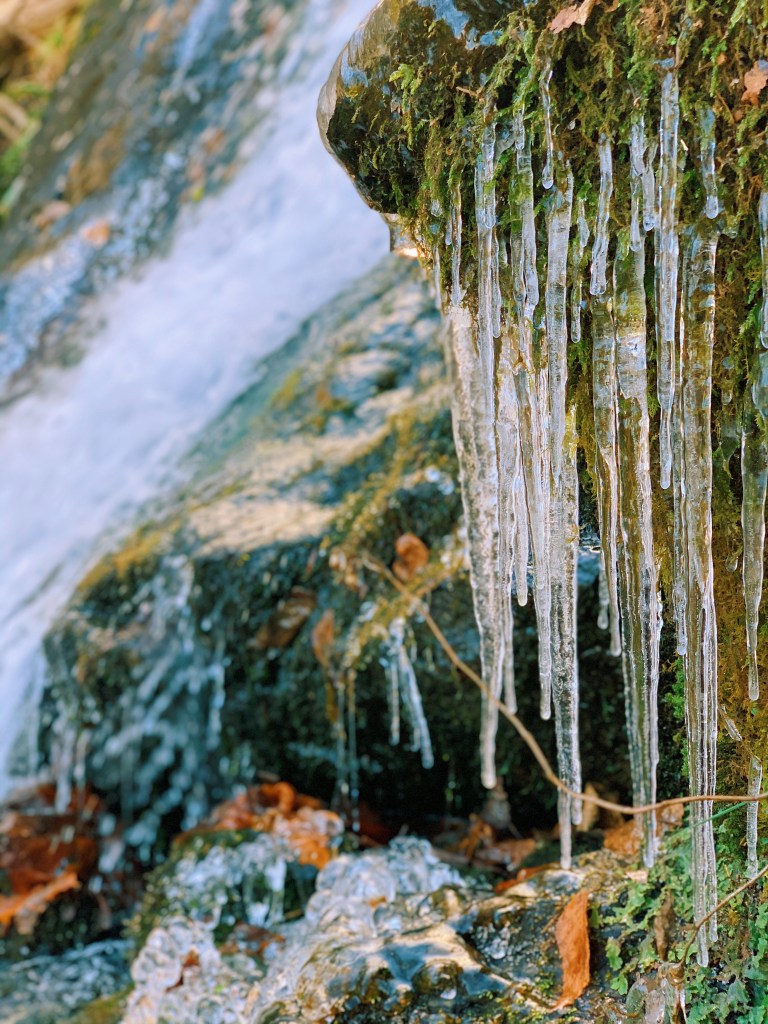
Hiking is exhilarating and rewarding any time of the year—even when it’s chilly! Embrace the beauty of nature no matter the weather, but don’t let the chill catch you off guard (or cost you your piggies). Stay safe, warm, and comfortable in the elements with these eight essential tips for hiking in the cold.
1. Dress consciously.
The most crucial tip for successful cold weather hiking is dressing smartly. A proper layering system is your best defense against hypothermia, which occurs when lingers on the skin long enough to freeze.
Follow the three-layer rule for maximum warmth and protection:
- Base layer – First come moisture-wicking fabrics like nylon and polyester, which are designed to pull sweat away from the skin, keeping you dry.
- Mid layer – On top of your moisture-wicking fabrics will come a layer of insulation, meant to trap body heat and repel the cold. Think a Patagonia fleece, a down jacket, or a thermal sweater.
- Outer layer – Your outermost layer will be a waterproof shell, protecting against wind, rain, and snow. When shopping for your outer layer, look for GORE-TEX, eVent, and Pertex Shield.
The name of the game here is quality over quantity—well-made layers work better than simply piling on clothes.
PRO TIP: Consider investing in gaiters, which will protect your boots and socks while you’re hiking in snow.
2. Don’t forget your extremities.
Your extremities—like your feet, hands, and ears—are particularly susceptible to frostbite due to reduced blood flow in cold conditions. Frostbite can occur in as little as 15 minutes when wind chill values reach -18°F.
The same rules apply to your extremity coverings as your body layers: Quality layers > more layers. Invest in moisture-wicking, insulated, and waterproof gloves, socks, and headgear. Opt for wool and synthetic blends over cotton, always.
3. Keep your water bottle warm.
If you’re hiking in the cold, there’s always a chance that your water bottle can freeze. Not only is this frustrating, but it can also be dangerous—dehydration is just as much of a risk in cold weather as it is in the heat. In fact, research shows that cold weather suppresses thirst, making it easier to become dehydrated without realizing it.
To prevent your water from freezing:
- Use an insulated water bottle or sleeve – A double-walled stainless steel bottle works great, but a thick hiking sock adds freeze protection for free.
- Fill it with warm or room-temperature water – Cold water freezes faster, while warm water retains heat longer.
- Store your water bottle inside your pack – Sure, the pockets on the sides of your pack are convenient, but they can cost you your water supply in the cold. The best place for your water bottle is inside your pack, closer to your body heat.
PRO TIP: Keep your water bottle upside down! Since water freezes from the top down, storing your bottle upside down ensures the mouthpiece stays unfrozen longer, so you can still drink even if ice forms.
4. Pack mobile snacks.
Did you know your body can burn twice as many calories in the cold as it down in warm conditions because it works harder to maintain body heat? That’s why regular snacking on the trail is essential, especially in the cold, to keep your energy up!
As with every other element of hiking in the cold, snacking must be strategic:
- Snack on the go – Keep moving while you eat to maintain body heat. Stopping for too long can lower your core temperature, making it harder to warm up again.
- Choose easy-to-eat, high-energy foods – With your body burning more calories because of the cold weather, it’s important to consider calorie-dense, protein-packed snacks that you can eat while walking.
- Keep your gloves on – Fumbling with food in freezing temperatures isn’t ideal, so pack glove-friendly snacks like beef jerky, protein bars, and trail mix.
5. Don’t forget the sunscreen.
Guys, the sun will works in the winter. In fact, snow can reflect up to 80% of UV rays, meaning you’re getting hit with sunlight from above and below. Some of the worst sunburns happen in cold weather, especially at higher altitudes where the atmosphere is thinner and UV exposure increases by about 10% for every 1,000 meters of elevation gain.
Though most of your skin will be covered, it’s important to apply broad-spectrum sunscreen (SPF 30+) every two hours to any skin that is exposed. Don’t forget a lip balm with SPF and UV-blocking sunglasses!
PRO TIP: Apply sunscreen before you leave the house. Then, bring along a stick sunscreen to reapply on the trail. Less mess and you won’t need to take your gloves off!
6. Be mindful of the shortened days.
If you’re hiking during the winter, you can count on having less daylight hours than you would if you were hiking during the summer. It’s just a fact of life, but it shouldn’t stop you from taking on longer hikes—smartly.
To avoid getting stranded in the dark:
- Start early – Aim to hit the trailhead at sunrise to maximize available daylight. This gives you a buffer in case the hike takes longer than expected.
- Be back before the sun starts to set – Twilight fades faster in the colder month’s due to the sun’s lower angle in the sky, so be sure you’re on your way back before the sun starts to approach the horizon.
- Bring a headlamp or flashlight – Even if you plan to finish before sunset, always carry a reliable light source that isn’t your phone and extra batteries if you have room in your pack.
7. Keep a map on you at all times.
Cold weather doesn’t always mean snow, but it certainly can if the conditions are right. Snow completely (and easily) obscures trails, especially if you’re the first (or only) person hiking that day. Losing the path can turn a routine hike into a serious survival situation, so having a reliable navigation system is crucial.
To stay on course, always carry:
- A detailed topographical map – If the trail disappears under snow, a topo map helps you navigate using landmarks, elevation changes, and terrain features. Bonus points if you bring a compass and know how to use it!
- A GPS device (like a Garmin inReach) – These devices track your route, offer breadcrumbing technology, and can help you find your way back even if the trail is gone. The SOS button can also call for help from anywhere in the world.
- Offline trail maps on your phone – Apps like Gaia GPS, AllTrails Pro, or Avenza Maps allow you to download maps for offline use in case you lose cell service.
PRO TIP: Cold temperatures drain batteries faster. Keep your GPS or phone in an inside pocket to use your body heat to extend battery life. Carry a fully charged power bank or a solar-powered power bank as backup!
8. Always tell someone where you’re going.
This isn’t just a winter hiking rules—it’s a hiking safety essential year-round. Whether you’re hiking solo or with a small group, someone who’s not on the trail with you should always know your plans.
Before heading out, share the following details with a trusted friend, family member, or park ranger:
- Your planned route & trail name – Be specific about which trailhead you’re starting from and any alternate routes you might take.
- Your expected return time – Set a check-in time, and let them know when you expect to be back.
- What you’re bringing – Include key gear like GPS, extra food, emergency supplies, and how much water.
- Weather conditions – Note the forecast and any extreme weather risks, like snow, high winds, and sudden drops in temperature).
Enjoy the winter views!
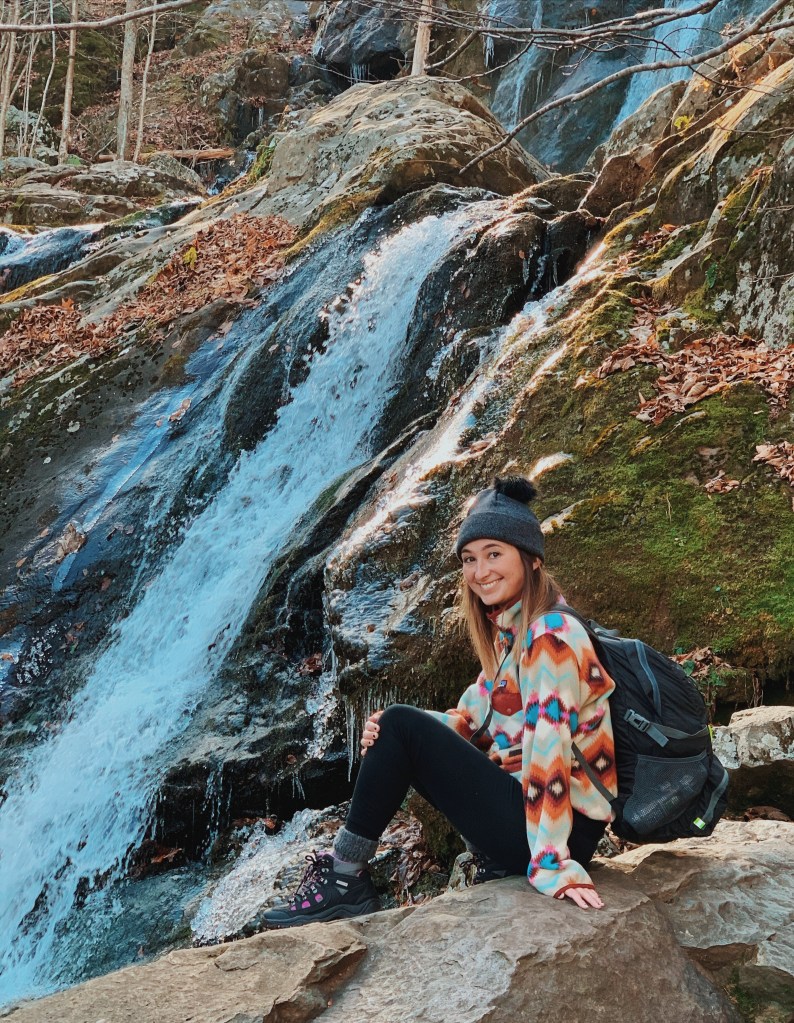
Winter is one of the most beautiful times of the year and should be cherished. Enjoy your next cold weather hike!
 Posted by
  Apricot Abroad